Your cart is currently empty!
Author: root
-
Running a Bitcoin Full Node and Mining: Real-World Notes from a Node Operator
Whoa!
I’ve run full nodes and toyed with mining rigs for years, and somethin’ about this whole setup still catches me off guard sometimes. Running a node is surprisingly simple in concept, but the devil is in the details — storage, peers, and the little things that bite you at 2 a.m. if you ignore them. My instinct said “keep it lean,” though actually, wait — that depends on whether you’re archiving blocks or pruning them, and your answers change how you size disks, CPU, and network. On one hand people talk about GPUs and hashing; on the other hand, a proper full node is about validating history and serving the network, and those roles are different animals altogether.
Seriously?
Yep: miners and node operators often overlap but they don’t have to. A mining setup focuses on hashpower and latency to pool or mining partners; a node operator prioritizes consensus rules, UTXO validation, and uptime. Practically speaking, you can mine with a thin client when pool-mining, but to be sovereign you want an independent, validating full node. I’m biased, but running your own validating node is the baseline for sovereignty — even if you’re not mining, you benefit from hearing only your own verification of chain state. That said, running both functions on the same hardware invites tradeoffs that deserve attention.
Hmm…
Hardware choices matter, though don’t panic. For a full archival node plan on at least 2 TB SSD today if you want headroom; spinning disks will work but will slow initial block verification dramatically. Medium sentence here about CPU and RAM: 4+ cores and 8–16 GB RAM is plenty for most setups, though heavy RPC use or many LN channels pushes that upward. If you’re using pruning, you can drop storage needs to a few hundred gigabytes, but pruning limits some historical queries and wallet rescans, so choose intentionally. Check your electricity situation before you decide to mine on the same circuit as your AC unit — power and heat are very very important.
Here’s the thing.
Network is often overlooked. You need a stable, symmetric connection for best peer performance; upload matters more than most expect because you serve blocks to others. Configure your firewall and NAT correctly so your node accepts inbound connections; it improves the network’s health and gives you better connectivity and block propagation. Actually, wait—make sure you understand block-relay settings and maxconnections in bitcoin.conf, because naïve defaults can leave your node isolated or starved of peers under certain circumstances. On unreliable home networks consider automatic reconnection scripts or a low-cost VPS relay (I run one myself) to keep my node reachable during local blips.
Whoa.
Software matters: use a reputable client. For most users that means bitcoin core because it’s battle-tested and conservative about consensus changes. Really, the community testing, feature backlog, and security posture make it the default choice for serious operators; if you want other clients for research, fine, but keep a Core node as your source of truth. Keep versions up to date, but don’t auto-upgrade blindly on production rigs — test upgrades on a secondary machine if you can. Backups of your wallet are still necessary even with deterministic seeds; redundancy in backups is not sexy but it’s lifesaving.

Operational tips and defenses
Wow!
Monitor disk I/O and CPU during initial block download because that phase reveals the weakest link in your stack. For mining, low latency to your pool or stratum target matters more than raw CPU for solo CPU miners, though modern ASICs are the real game for hashpower. Use tools like Prometheus + Grafana or simpler scripts for alerts, but keep thresholds conservative so you don’t get alert fatigue and ignore real problems. On security: isolate your node from high-risk browsing and avoid installing random packages on the box that also holds your wallet keys. I’m not 100% sure every tip fits every situation, but these are rules that saved me time and hair.
Really?
Privacy is nuanced. Running a full node improves privacy from a remote node, but your wallet’s query patterns leak info unless you use Tor or coinjoin strategies. Tor integration is straightforward in most builds and reduces address linking risk, though it adds fragile complexity — your Tor process may fail silently sometimes, so monitor it. On the other hand, exposing large numbers of inbound connections on a public IP without careful firewall rules can also fingerprint you, so balance is necessary. If privacy is your goal, separate wallets: one for regular transacting, one for large-value storage, and route different traffic strategies accordingly.
Hmm…
Resilience planning matters. Use UPS for short outages, and scripts or systemd units to bring bitcoin and related services back up in order. For miners, make thermal monitoring non-optional — hardware loves to die by overheating. Keep an offsite seed phrase in a safe place; digital backups are handy but vulnerable to theft. Consider a pruned node as a fast, cheap verifier plus an archival node in a trusted location for historical queries; that split is pragmatic for people with limited local storage.
FAQ
Can I run a full node and mine on the same machine?
Yes, you can, but expect resource contention; separate machines are cleaner. If you do run both, prioritize cooling, power delivery, and ensure the node’s validation isn’t slowed by mining tasks. For reliability put mining on dedicated ASICs or a separate server if you want both roles to perform well.
How do I reduce bandwidth use without harming the network?
Use block pruning, limit the number of outbound connections, and schedule heavier syncs during off-peak hours. Be mindful though: excessively limiting uploads hurts the network. If bandwidth is very tight, a pruned node still validates blocks but won’t serve full history to peers — that’s a fair compromise.
-
How to Set Up Interactive Brokers’ TWS for Pro-Level Options Trading
Okay, so check this out—options are beautiful and brutal at the same time. Wow! They offer leverage and defined risk, but they also punish sloppy setups. Traders looking for precision need software that keeps up. This guide walks through practical TWS (Trader Workstation) setups, workflow tweaks, and option-specific features that matter in real trading, without pretending there’s a silver bullet.
First off: latency matters. Seriously? Yep. A slow interface or a choppy data feed can turn a good idea into a bad fill. So before you tweak order templates or stack algorithms, make sure your connection and machine are up to the job. On a decent rig, TWS flies. On a dated laptop it limps. If you haven’t downloaded it yet, grab the official installer via this trader workstation download. Quick and legal. No drama.
Think about screen real estate next. Options trading needs context. Short sentence. You need an option chain, a working blotter, and a chart with implied vol overlay, all visible at once. Split your monitors or use TWS’ layout profiles to keep those panels where your eyes fall naturally. Traders often keep a dedicated hotkey panel for rolling and hedging. It saves fractions of seconds. Those seconds add up.

Key TWS features pro traders lean on
Option Chains with customizable columns are the backbone. You can add Greeks, implied vol, bid/ask size, and even probability-based columns (delta-based probability). Make the chain show what you trade. Don’t clutter it. Here’s the thing. Less clutter means faster decisions. Order types matter too. For options, use adaptive and MIDPOINT peg orders for spreads and use IB’s SmartRouting for underlying fills when crossing multiple venues. For market exposure, set up combination orders with relative time-in-force constraints. That reduces execution risk.
Volatility tools deserve time. Use the OptionTrader and the Probability Lab to sanity-check trades. The Prob Lab translates strategies into P/L probabilities and helps you visualize tail risk. Hmm… it’s underrated. Use it before you deploy capital. Also, study the Greeks across expiration cycles. Gamma burnout and vega exposure can sneak up on you between earnings windows. Many traders set calendar view snapshots for implied vol term structure so they spot steepening or flattening quickly.
Automation and hotkeys are underrated. You can create algo templates for common flows: iron condors, verticals, long calls, covered calls, whatever your playbook includes. Then bind them to hotkeys or quick click templates. Saves time and reduces manual entry mistakes. Keep your templates simple. Complex templates are powerful, but they also hide assumptions—assumptions that can cost money when vol shifts fast.
Risk controls. Very very important. Set daily max loss alerts and session-level position monitors. TWS lets you establish exposure filters per account or per strategy. Use them. You can assign sound alerts for outsized delta shifts or for when a spread’s theoretical moves beyond a threshold. Those alarms are your second brain when market noise ramps up.
Practical workflow: from idea to fill
Start with a thesis. Short sentence. Is it directional? Volatility play? Income strategy? Align your tools to that thesis. Use the Option Chain or OptionTrader to compare mid-market prices and implied vols, then run the intended combo in the Combo Builder to see net Greeks and margin requirements. Preview margin and potential assignment risk before sending the order. On one hand you want speed; though actually you also need pre-flight checks.
For live management, use an OCA group for multi-leg orders when possible. If one leg fills and others don’t, you can avoid legging risk. It’s not perfect, but it helps. Consider setting a small price improvement tolerance on legs (if your strategy allows) so you don’t auto-fill at bad prices during thinly traded hours. And if you rely on synthetic positions or dynamic hedges, make sure your IBKR account permissions and margin settings are correctly configured—especially for options spreads that cross pattern-day or short option rules.
Paper trade the exact setup. Simulators are sometimes too clean. Paper trading in TWS is close enough to reveal interface and order routing quirks. Not identical, but close. Use it. It’ll catch dumb mistakes, like reversed legs or mis-specified lot sizes. (Oh, and by the way… set your default order size thoughtfully.)
Performance tuning and stability
Keep Java and the TWS client up to date. Background apps matter. Seriously. Kill unnecessary services if you’re on Windows. Use wired ethernet when possible. If you trade multi-leg options intraday, reduce visual effects and lower charting history to improve responsiveness. Also: log rotation. TWS generates logs—clear them if the app starts slowing down. Your local machine environment affects everything; treat it like part of your trading stack.
Market data subscriptions are a cost. Choose what you actually need. Level II depth helps for wide spreads or complex spreads, but it’s not necessary for every single trader. If you’re a volatility trader, consider premium data feeds for option implied vol surfaces and historical vol surfaces. They can be worth the monthly fee, but test for a few cycles before you commit.
FAQ
Do I need multiple monitors for options trading?
Not strictly necessary, but highly recommended. One monitor constrains your view and slows decision-making. Two or three monitors let you keep chains, charts, and blotters visible simultaneously, which reduces context switching and errors.
How do I avoid getting legged on a spread?
Use combination orders and OCA groups to keep legs linked. Prefer combos sent as a single order where possible. If you must leg, stagger execution with clear rules and smaller sized test orders first.
Is TWS the best choice for all options traders?
TWS is feature-rich and scales from retail to pro. But it’s heavy. If your needs are simple, a lighter client might be faster. For pro workflows with multi-leg strategies, advanced algo routing, and deep combo support, TWS is generally the stronger pick.
Alright—one last thought. Software won’t make you a better trader, but the right setup removes friction so you can execute your edge. Keep layouts lean, automate the repetitive bits, and keep risk controls loud and clear. I’m biased toward simplicity; complex systems hide failure modes. Try what fits you, iterate, and keep watching the market’s little surprises. Somethin’ will always show up. Stay ready.
-
Why Monero? Ring Signatures, the GUI Wallet, and Real Privacy That Actually Works
Whoa! Privacy talks are noisy these days. Seriously? Everyone slaps the word “private” on things and calls it a day. My instinct said Monero deserved a closer look—so I dove in, poked around the tech, and came back with a few honest takes.
Monero isn’t a marketing label. It’s an engineering stack built for plausible deniability and unlinkability. Short version: it hides who paid whom, and how much changed hands. That’s rare. Most coins only obscure parts of the picture, while Monero tries to blur the whole painting.
Okay, so check this out—ring signatures are a big part of why. At a glance they look like a clever trick. But actually they’re a mathematically grounded method that mixes your output with others so an observer can’t easily say which one is yours. Hmm… that single idea changes the game. It’s not magic, it’s combinatorics plus cryptography.

Ring signatures, plain-ish english
Ring signatures let a signer prove “someone in this set authorized the transaction” without pointing to exactly who. That set is a ring. Short rings give weak privacy. Bigger rings give stronger privacy. Monero uses variable ring sizes and enforces minimums so your inputs get buried in a crowd.
But here’s what people miss: ring signatures alone don’t hide amounts. So Monero added RingCT—ring confidential transactions—which conceals amounts while preserving arithmetic validity. That combo is subtle and powerful. It protects both identity and value flows with cryptographic proofs that still let the network verify transactions are balanced.
On one hand, that sounds perfect. On the other, it adds complexity and bigger transaction data. There’s always a tradeoff though—privacy for bandwidth and CPU. Still, for users who prioritize anonymity, that trade is one they’d accept gladly.
The Monero GUI wallet — real-world tool, not just theory
I use the Monero GUI wallet when I want a friendly interface. It wraps node management, address creation, and transaction crafting into something approachable. You can run a full node, or connect to a remote node if you need convenience. I’m biased, but running your own node is the safest route.
If you need a quick start, download the official build and verify the checksum. For a streamlined experience, check the xmr wallet site for releases and docs. Trust but verify—it’s old advice for a reason.
One nit: the GUI can feel dense at first. Buttons everywhere. You’ll see “sweep unmixable”, “key images”, “subaddresses”… and your eyes will glaze over. That’s normal. The concepts matter more than the labels. Subaddresses, for example, let you give a new address to each merchant or contact so receipts don’t trivially link together.
Also, backup your seed phrase. Really. It’s the lifeline. Write it down, store it somewhere safe, and don’t screenshot it or email it to yourself. People are careless; this part bugs me.
Practical privacy: habits, not just protocol
Privacy is a chain, and the protocol is just one link. Your behavior is the rest. Use subaddresses. Rotate them. Avoid reusing addresses. Consider network-level privacy—Tor or I2P can help if you’re worried about IP-level leaks, though they introduce their own latency.
Also: exchanges and services. They can de-anonymize you via KYC. On one hand you can accept that and use custodial services; on the other, you can look for services that respect privacy. It’s a personal choice. I’m not judging, but I will say that if you mix on-chain privacy with off-chain oversharing, your privacy will leak somewhere.
Something else—chain analysis companies constantly update heuristics. Monero’s design resists many of those heuristics, but no system is invulnerable. The developers patch and evolve the protocol. So staying on current releases matters. Updates often include consensus or privacy improvements, and skipping them is like leaving your back door open.
Common myths busted
Myth: “Monero is untraceable.” Not exactly. It’s resistant to tracing, but law enforcement and analytics firms keep trying new angles. Myth: “Using Monero is illegal.” Nope—privacy is a civil liberty, and many legitimate users need it. Myth: “It’s slow and unusable.” Better than it was, and ongoing optimizations keep improving size and speed.
On balance, Monero is about raising the bar for privacy. It doesn’t promise absolute immunity; it offers practical, scalable tools to protect everyday transactions. That matters for activists, journalists, and frankly anyone who values financial privacy in the digital age.
FAQ
How do ring signatures protect me?
They mix your input with decoys so outside observers can’t tell which input belongs to you. Monero enforces ring sizes and uses decoy sampling to make that mixing robust.
Is Monero GUI wallet safe for beginners?
Yes, it’s user-friendly compared to command-line tools. Beginners should still learn seed management, use subaddresses, and verify downloads. Consider running a local node if you want maximal privacy.
Will using Monero draw attention?
Possibly. Some services flag privacy coins. That doesn’t mean you’re doing anything wrong, but be mindful that using privacy-preserving tech can attract scrutiny in certain contexts.
-
Why your 2FA app choice actually matters (and how to pick one without losing your accounts)
Whoa!
I was fiddling with my phone last week and thought about TOTP and how people misuse 2FA. It feels like everyone nods when you say “use an authenticator app,” but then they fall back to SMS because it’s easier. Initially I thought that recommending apps was straightforward, but then I dug into the pitfalls—backup codes, device loss, cross-device syncing, and some apps that quietly upload secrets to the cloud—and it got complicated fast.
Here’s the thing: usability often trumps security in real-world setups. Seriously?
Yep, seriously—people choose convenience and then wonder why their accounts are compromised. My instinct said there was also vendor lock-in at play, and when I tested a few apps I found subtle differences in how they handle backups, export/import, and recovery workflows, so users are often left scrambling. One app offered cloud sync that seemed fine until I realized it kept unencrypted tokens on a backup server. On one hand cloud sync solves device migration, though actually it introduces a new attack surface if the vendor or their infrastructure gets compromised, which means recommendations can’t be one-size-fits-all.
Hmm…
Okay, so check this out—there are three practical paths users take: SMS codes, platform authenticators, or third-party TOTP apps. Each has trade-offs in recovery, portability, and trust. Initially I thought platform authenticators (like those built into phones) were the clear winner, but after mapping threat models I realized that for many people the lack of cross-device portability without vendor accounts is a significant blocker that drives them back to less secure options. I’m biased, but for most users a standalone TOTP app with export and encrypted backup is the sweet spot.
Wow!
If you’re selecting a 2FA app, prioritize a few core features: secure storage, a clear backup story, and transparency about sync. Something felt off about apps that advertise “cloud backup” but don’t explain whether the secrets are encrypted client-side, how the keys are derived, or what recovery looks like when you lose access to your vendor account, because those details determine whether that backup is safety or a single point of failure. Also look for open-source audits or at least clear security whitepapers. And check whether the app supports standard TOTP (RFC 6238) so you can move tokens if needed.
Really?
Yes—interoperability matters because someday you might switch phones, or switch providers, or need to export keys before an OS update eats your data. I’ll be honest: I’ve recovered tokens from old phones, and it’s messy when you don’t have backup codes or an export option; you end up filing support tickets with dozens of sites, proving identity repeatedly, and sometimes losing accounts entirely. So make exporting easy and secure. Prefer apps that encrypt exports with a password-derived key you control.
Whoa!
Consider local-only apps or ones that let you sync via your own cloud storage with client-side encryption. On one hand local-only minimizes centralized risk, though actually it shifts responsibility squarely to you for backups and recovery planning, and that trade-off isn’t for everyone—especially casual users who might never make a manual backup. My recommendation: treat 2FA like part of your emergency kit—keep backup codes, keep an exported encrypted file, and test recovery now, not later.
Something else—if you need a quick, reliable option that balances usability and security, try a reputable authenticator app I trust for its design and recovery pathways; I’ll point you to a handy download below.
Where to get a solid app
If you want to try an authenticator app for yourself, here’s a straightforward authenticator download that lets you experiment with exports, backups, and cross-device moves without forcing vendor lock-in.
Okay, so check this out—if you install an authenticator, don’t just toss tokens in and forget them. Actually, wait—let me rephrase that: have a recovery plan that includes printed codes or a secondary device, because losing a phone without backups is more than inconvenient, it can lock you out for weeks. Oh, and by the way… store one copy somewhere offline, somethin’ like an encrypted USB or a safe deposit box. Many breaches happen because people assume recovery is trivial.
I’m not 100% sure, but for business users, hardware keys like FIDO2 are excellent, though they come with their own logistics. On one hand hardware tokens remove many phishing risks and are strongly recommended for high-value accounts, though actually they can be lost or damaged and you need a clear replacement workflow aligned with your IT policy. If you’re solo or a small team, standard TOTP with good backups is usually sufficient. So start simple, but plan ahead.
Common questions
What if I lose my phone?
Keep backup codes and export a set of your tokens encrypted with a strong password. If you use cloud sync, verify the vendor’s encryption scheme first. If you don’t have backups, contact each service’s support and be prepared to prove identity—it’s a pain and often slow, very very slow.
Is SMS-based 2FA okay?
SMS is better than nothing but it’s fragile: SIM swaps, interception, and social engineering make it weaker than TOTP or hardware keys. Use SMS only as a last resort and aim to migrate to an authenticator app or hardware token when you can.
-
Cold storage that actually works: practical hardware-wallet advice (and how to use Trezor Suite)
Okay, so check this out—cold storage sounds simple on paper. Store your keys offline, hide the seed, sleep like a rock. But in real life things get messy fast. My instinct said “just buy a hardware wallet,” and that helped. Still, once you start juggling firmware updates, passphrases, and family members who ask “how do I get my inheritance,” the neat story unravels.
At the core: a hardware wallet gives you private keys in a device that never exposes them to the internet. Period. That setup protects against remote hacks, phishing, and malware on your daily-use computer. It doesn’t protect against a thief with a crowbar, a careless photo, or a forgotten PIN that you wrote on a sticky note. Those are human failures. So the goal is to design a system that reduces those failure modes without turning your life into a paranoid checklist.

Threat model first — who are you protecting against?
Start there. Really. If you treat everything like state-level adversary stuff, you’ll overcomplicate things. If you treat everything like “my roommate will swipe a few satoshis,” you might under-protect. On one hand, you’re protecting against online attackers who want your keys. On the other hand, you might need to protect against physical theft, loss, or family disputes.
Here’s the practical breakdown: remote attackers = use a hardware wallet + strong passphrase; local thieves = add physical security and redundancy; accidental loss = robust backups stored off-site. Initially I thought a single paper backup in a fireproof box was enough, but then I realized that boxes do burn and banks close. So diversify backups, but don’t scatter them so widely that recovery becomes impossible.
Hardware wallet hygiene — basics that people skip
Buy new from a reputable vendor. Seriously? Yes. A secondhand device could be tampered with. Unbox it yourself. Follow official setup instructions. Write the seed on metal or acid-free paper. Don’t snap a photo. Don’t type the seed into any app or browser. Ever.
Update firmware only from the official source, and verify firmware signatures where possible. When you connect your hardware wallet to a computer, pay attention. Fake software, fake prompts—these exist. Keep a dedicated, minimal setup for coin movement if you handle large sums. I’m biased toward simple, repeatable steps that humans can actually follow without losing their minds.
Passphrases and seed management — power and danger
Adding a passphrase (BIP39 passphrase) on top of your seed is powerful. It creates plausible deniability and effectively creates multiple wallets from one seed. But it also creates a single point of permanent failure: if you forget the passphrase, your funds are gone. No recovery possible. So use a passphrase only if you understand the risk and can reliably store or remember it.
A safer route for most people: use a strong seed stored in a metal backup, protect it physically, and treat the device PIN as your daily access control. If you use a passphrase, document it with extreme caution — consider splitting it into parts stored in separate, secure locations.
Workflow suggestions that balance security and convenience
For many of us, convenience wins some battles. Here’s a workable pattern I use and recommend:
- Primary cold wallet: hardware device stored offline, seed on metal backup in a safe or deposit box.
- Hot spending wallet: small software wallet for day-to-day spending with limited funds.
- Regular audits: monthly check-ins where you verify the hardware device boots and the seed unlocks a watch-only wallet.
- Multi-sig for large holdings: use multiple devices and geographic separation, if you handle serious amounts.
Each of those choices has tradeoffs. Multi-sig reduces single-point failures but increases setup complexity and cost. I recommend starting simple and adding complexity only when the math justifies it (i.e., when the amount at risk is large enough to cover added friction).
How Trezor Suite fits into this
If you’re using a Trezor device, the official desktop and web interface makes a lot of the workflow easier—and safer—if you use it correctly. The app streamlines firmware installs, account management, and transaction signing. For a straightforward, well-supported experience, check out trezor suite when you’re setting up. The Suite’s integration with the device reduces manual copying of addresses and lowers the chance of human error.
That said, don’t let a polished UI lull you into complacency. Verify addresses on the device screen before confirming transactions. Use the Suite for what it’s good at—managing accounts and signing transactions—while keeping your seed offline and immutable.
Physical backups — medium and long-term strategies
Paper backups are fine for small amounts and for prototyping, but paper degrades and burns. If you care about serious amounts, use a metal backup plate or a stamped steel device. Store backups in at least two geographically separated locations. One in a bank safe deposit box, another in a private safe at home, or with a lawyer you trust. (Yes, the lawyer route costs money. It’s worth it if the stake is high.)
Also think about succession planning. Who gets access if you die? A will that references a secure method is not enough—be careful about revealing too many specifics. Talk to a professional if you’re unsure.
Common mistakes I still see
People mistake convenience for security. They write seeds on their phones, or they click through seed backup prompts and take screenshots. They reuse old, compromised passcodes. They assume “air-gapped” means completely safe, then plug a device into a laptop with malware. That part bugs me. Real security is boring: repeatable, documented, and tested.
Test your backups. Not once, but periodically. Try restoring from the backup in a safe environment. If restoration fails, fix it. If you put your seed in two locations, make sure both are actually accessible. Somethin’ as small as a lost spine on a safe can become very very inconvenient.
FAQ
Is a hardware wallet truly “cold” if I ever connect it to my computer?
Yes—provided the device is built so that private keys never leave its secure element and you verify transactions on the device screen. Connecting a hardware wallet to a compromised computer is a risk mainly for phishing attempts and malicious prompts, not for key exfiltration in well-designed devices. So use caution and verify on-device.
How many backups should I have?
Two is the practical minimum: one primary and one geographically separated copy. For high-value holdings, three or more with multi-sig is common. The goal is redundancy without creating dozens of weak points.
Should I use a passphrase?
Only if you understand the tradeoffs. Passphrases add security and flexibility but also add irreversible risk if forgotten. Treat them like nuclear codes—only use if you can manage them reliably.
-
Why Monero Feels Like Privacy—and What the Tech Actually Does
Okay, so check this out—privacy in crypto often sounds like magic. Whoa! People say “untraceable” like it’s a cloak you put on and walk away. My instinct said that was too neat. Initially I thought privacy was just encryption, but then I dug deeper and realized it’s a stack of deliberately messy trade-offs, design decisions, and cryptography that only looks tidy on whiteboards.
Really? Yeah. At a glance Monero’s reputation is simple: private by default. But that simplicity masks a bunch of different mechanisms working together—ring signatures, stealth addresses, and RingCT among them. Each piece covers a different surface area of leakage. Put them together, and you get something much closer to transaction unlinkability than what most public chains can offer, though nothing is absolutely perfect.
Here’s the thing. Ring signatures hide who signed a transaction by mixing a real input with decoy inputs. Short sentence. The wallet software picks decoys from the blockchain so one can’t point at a single input and say, “that’s yours.” But on the other hand, choosing decoys well matters—a lot—because statistical quirks can erode anonymity over time. On an intuitive level this is like standing in a crowded diner and pretending you paid for the tab when several people helped, though actually the metaphor breaks down if you press it too far…
How ring signatures, stealth addresses, and RingCT fit together
Ring signatures mix inputs so observers can’t see which output funded a spend. Medium length sentence for rhythm. Stealth addresses create one-time addresses for recipients so payments can’t be trivially linked to a public address anyone might reuse. Hmm… and RingCT hides amounts, so you can’t deduce much just by watching transfer sizes. Combined they reduce the usual fingerprint that public ledgers give: linkable sender, receiver, and amount. But remember: the protocol reduces risk, it does not erase it—operational behavior and chain analytics still matter.
Initially I thought ring signatures sounded bulletproof. Actually, wait—let me rephrase that: they sound better than they are if you ignore metadata like timing, network paths, and reuse patterns. On one hand the cryptography is elegant and battle-tested, though actually privacy is emergent from many moving parts, not a single theorem. My gut reaction was to over-trust the tech. Then real-world analysis nudged me back to cautious appreciation.
Something felt off about casual claims like “untraceable forever.” Seriously? No. For example, if someone repeatedly uses the same endpoint to cash out, or if they leak information elsewhere, Monero’s protections can be undermined indirectly. Small slip-ups amplify. So think of Monero as a privacy toolbox that requires careful habits—good tools, but humans still make the cut.
Now about the Monero GUI wallet: it’s the most user-friendly client most people use. Short. The GUI integrates wallet generation, transaction creation, view keys, and key management without forcing you into the command line. It also exposes privacy settings—decoy selection, sweep_all, and others—though you shouldn’t tweak things unless you know what those knobs do. The official wallet is available from a trustworthy source like https://monero-wallet.net/ and that’s the one I recommend folks start with, because fake wallets are a real risk.
I’ll be honest: the GUI isn’t flawless. It still asks users to make choices that affect privacy, and somethin’ about that bugs me. Users who misunderstand “default by design” may assume there’s nothing to do. Not true. For example address reuse and poor operational security (reusing an exchange email tied to a fiat account) will reveal more than chain-level privacy can hide. The wallet does its job well, but it won’t fix off-chain leaks.
On a technical level Monero’s ring signatures have evolved. Earlier versions used smaller ring sizes, which made some analytics easier. Since then the project enforced larger minimum ring sizes and improved decoy selection. Long sentence that explains the iteration and the reasoning behind those protocol changes, because the development process matters when you evaluate how safe “private” really is, and it shows Monero’s pragmatic balance between performance and anonymity.
There are trade-offs. Privacy comes at the cost of larger transaction sizes and slightly higher fees. Short. That matters when you care about latency or pay-per-byte infrastructure. Also miners and nodes carry more data. On the flip side, fewer on-chain heuristics are reliable, which raises the bar for casual chain surveillance. But some regulated services view privacy coins with concern, which can limit liquidity and fiat on-ramps in certain jurisdictions. On one hand this protects users; on the other, it reduces convenient exits to cash.
Practically speaking, threat models differ. Medium sentence to pace this. If you’re a casual user — buying small goods, avoiding casual price tracking — default Monero is usually more than enough. If you’re a high-risk actor facing a state-level adversary with subpoena power and network-level surveillance, your operational security needs to be meticulous, and Monero is only one layer of defense. This is not moralizing; it’s reality. Keep questions like “who’s watching the network?” and “what other metadata leaks exist?” at the front of your mind.
On technical best practices: avoid address reuse, keep software updated, and treat view keys with care. Short. Don’t publish your wallet transactions alongside identifying posts. Don’t stash a public ledger link into a public social post. These sound obvious, and yet people slip. (oh, and by the way…) using VPNs or Tor for wallet RPC connections can help reduce network-identifying info, though configuring those safely is nontrivial and sometimes fragile.
There’s also a governance and community angle. Monero is community-driven and famously privacy-focused; that culture produces robust peer review and quick responses to fingerprinting analysis. Yet that same independence makes integration with mainstream financial services harder. So, if you value privacy and are comfortable with some trade-offs in convenience and acceptance, Monero fits. If you need frictionless fiat rails, expect friction back.
FAQ
Is Monero truly untraceable?
Short answer: no one can guarantee absolute untraceability. Medium: the protocol strongly reduces traceability by hiding amounts, using ring signatures to obscure inputs, and giving recipients one-time addresses. Longer thought: however, real-world leakage—address reuse, exchange KYC links, timing correlations, and network-level signals—can re-identify activity, so privacy is a combination of strong protocol defaults and disciplined behavior.
Should I use the GUI wallet or a command-line tool?
The GUI is user-friendly and fine for most people. It bundles common features, helps prevent obvious mistakes, and reduces the learning curve. If you need automation, custom tooling, or advanced node setups, then CLI or programmatic clients are better, though they require more care. I’m biased toward the GUI for new users, but power users often prefer the precision of the CLI.
-
Why a Web Version of Phantom Wallet Changes How I Use Solana (and Maybe It’ll Change Yours)
Whoa! I opened a browser tab the other day and found myself wishing my wallet felt as light and fast as the rest of the web. The first impression was pure convenience: a wallet that lives in a tab instead of an extension or my phone sounds almost too handy. My instinct said “use it now” and then my brain kicked in—hold on, verify things, breathe—because wallets are different from other apps. Initially I thought a web client would be a downgrade, but after poking around and comparing workflows I started to see real advantages and some real risks too.
Seriously? Yep. A web-based Solana wallet can cut friction. It lets you quickly connect to a dApp without juggling extensions or switching devices. On the other hand, something felt off about casually pasting seed phrases into webpages, so security habits mattered more than ever. I’m biased, but the trade-offs are interesting: speed and accessibility versus attack surface and trust assumptions. Actually, wait—let me rephrase that: useability often nudges behavior, and that nudging can be good or bad depending on who you are.
Here’s the thing. If you’re after a browser-first approach, the immediate wins are obvious: setup in minutes, cross-device access (if the service uses an encrypted cloud sync or a QR flow), and instant connections to Solana dApps without extension APIs. I like that. But I also found weird UX gaps—token visibility that lagged, custom token setup that felt quirky, and occasional signature prompts that made me double-check domain names. On one hand there’s a sleek path to get into NFTs, swaps, or staking; though actually, the nuance is in how the wallet manages private keys and session state.
Okay, so check this out—if you want to try a browser-hosted interface that mirrors the extension experience, there’s an option here: phantom wallet. It looks familiar and the flows are similar: create or restore, lock/unlock, connect to dApps, and sign transactions. I’ll be honest: I wouldn’t trust any web wallet blindly. Always verify the domain, validate the code if you can, and prefer hardware-backed signing for larger amounts. Also, somethin’ I do is set small daily limits for hot-wallet use and keep the bulk of funds cold.
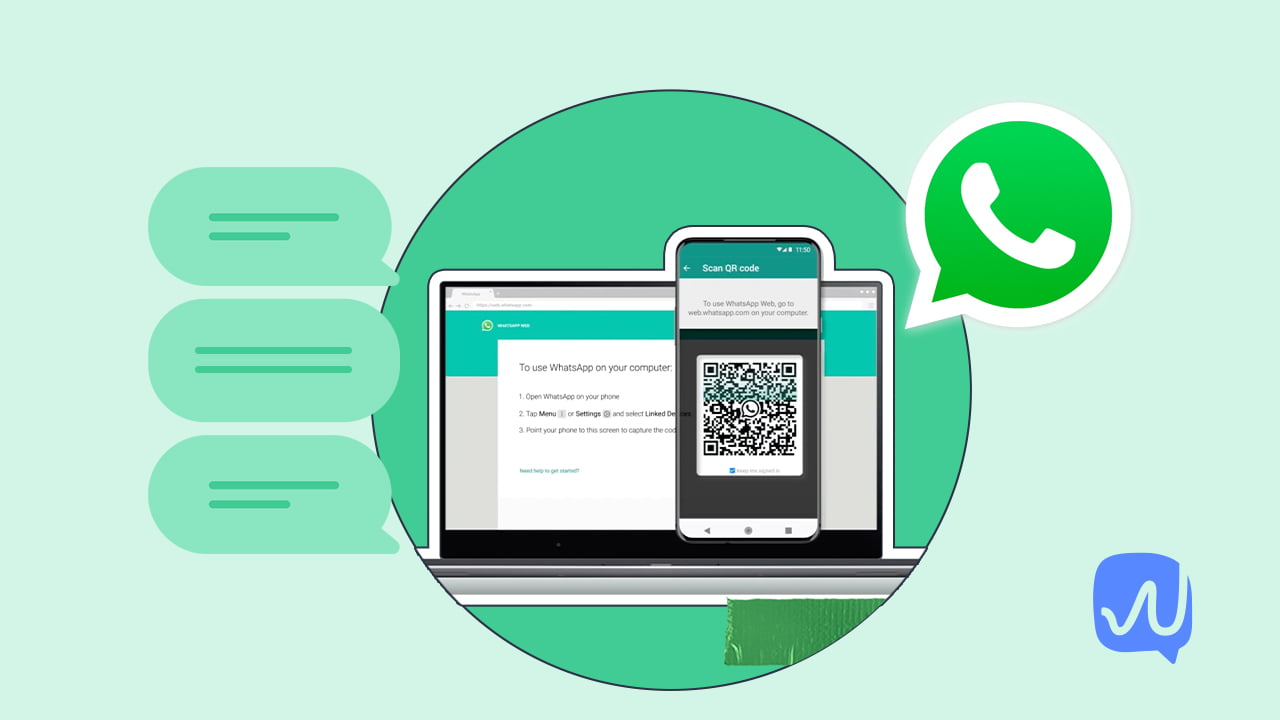
How a Web Wallet Actually Works (Plainly)
Browsers talk to dApps through an injected provider or a web API. That provider mediates signing requests and reveals your public key to sites you connect to. Hmm… this seems obvious, but many people forget that the provider is the gatekeeper—so if a malicious site tricks the provider, you’re toast. My quick checklist became: verify TLS, check the domain, scrutinize signature requests, and never paste a seed. On the technical side, the web client either holds encrypted keys in local storage, uses ephemeral sessions, or delegates signing to a hardware device over WebUSB or WebHID.
Initially I thought browser wallets would just be for small trades. Then I realized they’re great for onboarding people who hate extensions. The UX friction is the real enemy for mainstream adoption. A web wallet removes one pain point: extension installation on locked-down work machines or phones where extensions aren’t allowed. But trade-offs exist: session persistence can leak access if you forget to lock a tab, and browser-level vulnerabilities are a real attack vector. So yeah, convenience with caution.
Security Practices That Actually Help
Short version: don’t treat a web wallet like a bank. Really. Use the web interface for small, frequent interactions. Use a hardware wallet for large holdings. Keep seed phrases offline. If you can, pair the web client with Ledger or another signer so private keys never touch the page. Also, use strong unique passwords, enable passphrase protection when available, and regularly check connected sites. I double-check transactions now more than ever—amounts, recipients, and unexplained extra instructions.
Pro tip: lock your wallet when not in use and close the tab. Sounds basic, but it matters. If a tab is open and a site has persistent access, an attacker who gains browser control could trigger transactions. On that note, browser isolation tools or separate profiles help—use a dedicated profile for Web3 and keep personal browsing separate. (oh, and by the way… clear cookies and review extensions periodically.)
Common Tasks and How They Differ in a Web Wallet
Connecting to a dApp is usually one click. You’ll see a popup that requests permission to view your public key and to request signatures. Medium: approve or reject carefully. Long: if a dApp asks for multiple signatures or to sign arbitrary messages, pause and confirm what’s being signed—especially messages that look like plain text which could be replayed or misused later. Adding custom tokens sometimes requires the mint address; the UI occasionally expects you to paste that in. For swaps, check slippage and the route; web interfaces often surface these details differently than extensions.
Send and receive flows are familiar: copy-paste addresses, attach memos when needed, and inspect fees. My instinct said “just hit send” many times when I first used web wallets—bad habit. Now I preview on a mobile device if possible to cross-check. On Solana, transaction fees are low, but mistakes still cost assets and time. I’m not 100% sure about every edge case, but auditing the transaction preview is a habit I recommend.
When a Web Wallet Makes Sense
If you’re demoing dApps to friends, a web wallet is wonderful. It removes install friction and keeps the demo moving. For quick NFT drops, a web wallet can get you in faster—though speed vs. security is a tightrope. If you’re building or testing, web clients let you simulate user flows without extension plumbing. On the flip side, for long-term holders or treasury assets, web wallets shouldn’t be the main custody method.
My personal rule now: day-to-day use in web for play and dev; cold or hardware for savings. That split works for me. It might not work for you though, and that’s okay—tailor it. Also, I’m definitely biased toward hardware signatures, but the reality of mainstream adoption means many users will live on web wallets for a while.
FAQ
Is a web-based Solana wallet safe?
It can be—if you follow security best practices. Verify the domain, enable hardware signing when possible, keep small balances for hot use, and never share your seed. Web wallets increase convenience but also expand the attack surface.
Can I use a hardware wallet with a web client?
Yes. Many web wallets support Ledger via WebUSB or WebHID. This is one of the best ways to combine browser convenience with strong key custody because the private key never leaves the device during signing.
I’m leaving this tab with a clearer sense of trade-offs. The web version of a wallet—especially something modeled after the familiar extension flow—fixes a lot of UX friction, and that matters for adoption. Yet this part bugs me: convenience can erode security habits if people get lazy. So, try it, test it, but lock it down for real money. Seriously. Keep experimenting, stay skeptical, and have fun—just don’t get complacent with seed phrases or permissions…
-
Why the Etherscan Browser Extension is the Quiet Tool Every Ethereum User Should Install
I stumbled onto the extension one late night, half-curious and half-annoyed, after another wallet popup left me squinting at a contract address. It was a small click that saved me a lot of head-scratching later. Short story: the right browser extension can turn blockchain noise into usable signals. Seriously—if you spend any amount of time on Ethereum, this matters.
First impressions matter. The extension puts Etherscan data where your cursor already is: on-chain history, token metadata, contract source links, tx status, all without hopping tabs. That convenience is obvious. But the real value shows up when something is messy—an obscure token, a confusing approval, or a token with a suspiciously high tax. Then the extension feels less like a convenience and more like a guardrail.
Okay, so check this out—there are a few common use-cases that made me a loyal user. One: quick address vetting. Two: instant token info for new listings. Three: transaction provenance when a DApp acts weirdly. On one hand, a simple lookup is all you need; on the other, the extension surfaces context that a casual user would otherwise miss because they’d be lazy or distracted (guilty).

What it actually gives you—practical breakdown
The extension pulls Etherscan’s core explorer features into your browser UI so you can inspect things without copy-pasting or fumbling between tabs. You get: address labels, token balances, recent tx lists, contract verification status, and links to contract source. For devs and auditors, it’s a tiny time-saver that compounds into hours saved. For traders and collectors, it’s risk mitigation. For casual users, it’s peace of mind.
One thing I like is how it highlights verified contracts. That visual cue alone avoids a lot of guesswork. But verified doesn’t equal safe. Still, verification plus readable source plus community activity makes a stronger signal than any one metric alone. My instinct said “trust the badge,” but then I learned to cross-check token holders and tx patterns—because badges can be gamed.
Another useful feature: token metadata. New tokens show up with symbols, decimals, and links to token pages. That helps when a marketplace or wallet lists a token by contract only; you can confirm decimals and symbol without error-prone manual math. This is small, but it prevents losing tokens to wrong transfers or misread balances.
Here’s what bugs me about some extensions: overpromising. Some promise full analytics but only surface the basics. The Etherscan extension keeps it simple and reliable. Too many bells and whistles slow you down.
Install, set up, and start vetting
Install is straightforward. Click, add to browser, allow permissions. That’s it. You’ll want to check a couple of settings—notification behavior and which networks you want visible. I usually keep mainnet and goerli; sometimes I add a testnet when debugging contracts. After that, you can right-click an address or use the toolbar. Fast and non-distracting.
Pro tip: pair the extension with a hardware wallet or a secure browser profile. The extension is a read-only layer—it doesn’t hold keys—but when you’re checking approvals or contract interactions, you’ll want your transaction signer secured elsewhere. Always separate viewing tools from signing tools.
From a UX perspective, this separation matters because it keeps mental models clean: one thing to inspect, another to approve. If the UI mixes them, you’ll find yourself approving stuff you didn’t fully understand. Been there, done that.
Privacy and security considerations
It’s easy to assume an extension that reads on-chain data is harmless. Mostly true. But permission scopes matter. The extension will request access to read the page for context (detecting contract addresses on the page, for instance). Don’t grant broad permissions to shady clones. Always verify the publisher and source before you install.
Also, the extension can make heuristics about your on-chain behavior. That’s not leaked private keys, but it’s still metadata. If you’re privacy-conscious, limit how many tabs you let it scan and use separate browser profiles for sensitive activities. Small habits help a lot.
Actually, wait—let me rephrase that: it’s read-only but never assume “no harm possible.” Human error is the bigger risk. The extension reduces friction, and less friction sometimes equals faster mistakes. Slow down when you see an unfamiliar contract.
When the extension saved me (a short story)
I once almost interacted with a liquidity pool that had a copied name but a different contract. Midway through the approval flow I paused, opened the extension, and checked holders and recent transactions. The token had three holders and one recent influx from a mixer-style address. That was my gut-check. I cancelled the approval and avoided a nasty cleanup. Minor drama avoided. I’m biased, but I think small audits like that are now basic hygiene.
On the flip side, it won’t prevent every scam. It’s a speed bump, not an impenetrable wall. Keep that mental model. Use it to raise red flags, not as a magic safety charm.
Tips for power users
– Use the extension to pre-screen contracts before interacting in wallets. Treat it like a quick audit checklist.
– Check token holders and transaction cadence. Sudden spikes or single-wallet concentration are warning signs.
– Look for contract verification and readable source. If the source is missing, assume higher risk.
– Combine the extension’s insights with other tools (on-chain analytics, community channels) for a fuller picture.These steps sound obvious. But when things move fast—an airdrop or a trending token—they get skipped. The extension helps you automate the “stop, look, verify” habit.
Common questions
Is the extension free and legit?
Yes, and yes—when installed from official sources. It’s a lightweight front-end for Etherscan’s public explorer data. Verify the publisher and the download URL before installing to avoid imitations.
Can it sign transactions?
No. It’s designed for inspection and context. Transaction signing remains the job of wallets and hardware keys—keep it that way.
Does it work on all browsers?
Most Chromium-based browsers support it. Browser support may vary; check the official listing for compatibility notes.
If you want to try it, the easiest route is to follow the official extension page for details and a safe download: etherscan browser extension. Give it a spin on a few harmless addresses and you’ll quickly see how it changes routine checks into quick, reliable habits.
I started curious and a bit skeptical. Now I’m not as casual about random approvals. That shift—from casual to cautious—came from a few saved mistakes and a lot of small confirmations. If you use Ethereum regularly, that shift matters. It really does.
-
Why I Stopped Treating Bitcoin Like a Password and Started Using a Hardware Wallet
Whoa!
I bought my first hardware wallet five years ago, during a winter lull. At first I thought it was very very overkill for a small bitcoin stash. People would ask: why lock coins offline when exchanges seemed easy. My instinct said there was a hidden cost to convenience, and after several close calls with phishing and lost keys I realized cold storage isn’t optional if you value control over your money.
Really?
Here’s what bugs me about custodial services: opaque terms and unexpected freezes. You keep an account, not your keys, which is not the same thing. Hmm… that first impression stuck with me and I started testing hardware wallets, somethin’ I probably should have done earlier. Initially I thought all hardware wallets were roughly interchangeable, but over months of use I tracked differences in boot security, firmware updates, and UX patterns that actually matter when you’re sleep-deprived and troubleshooting a firmware mismatch at 2 a.m.
Here’s the thing.
Trezor became a go-to for me because it balances openness and usability. I’m biased, but the philosophy matters; open-source firmware gives me confidence. Check the device design, the passphrase handling, and the recovery seed options before buying. Practicing the full restore flow under no pressure will teach you more than any spec sheet ever could, and that’s why I run annual drills with my own seeds.
Whoa!
Cold storage basics are simple enough to explain in two lines. Generate a seed offline, keep the seed safe, and sign transactions offline. But practical setup has dozens of small choices that add up to security or failure. On one hand a metal backup plate and a discreet safe upgrade resilience dramatically, though actually the workflow around passphrases, hidden wallets, and multisig configurations introduces complexity that will trip up novices unless they plan and rehearse their recovery steps carefully.
Seriously?
Multisig is powerful but it requires coordination and trusted co-signers. Cold storage with multiple devices spreads risk, but it also spreads management overhead. If you design a 2-of-3 multisig with one hardware wallet, one HSM, and one custodial fallback, you get resilience, though you must document procedures and test every year because human memory is lousy and software versions change over time. Something felt off about many guides that claim multisig is ‘set and forget’ since they rarely show the restore path when a signer is lost, and that’s the exact event that will reveal whether your plan is actually robust or fragile.
Hmm…
A lot of people overlook firmware and supply-chain risks. Opening a device from unknown channels increases compromise probability, even if the package looks sealed. Oh, and by the way, buying from random marketplaces is a risk I avoid. When you set up a new Trezor or any hardware wallet, verify firmware checksums, confirm the vendor, and initialize in an air-gapped environment if you can, because small procedural lapses will be exploited by motivated attackers who love predictable mistakes.
Wow!
User experience matters for long-term safety and daily usability. If your wallet is clunky you’ll avoid updates and invent insecure workarounds, somethin’ you don’t want. A friend once stashed recovery words in a text file to avoid typing them. So design choices that lower friction—clear prompts, plausible deniability options, and straightforward restore instructions—matter as much as cryptographic hardness because most losses come from human error rather than brute force attacks.

Next steps and official resources
Here’s the thing. If you’re ready to pick a device start small and test thoroughly. Visit the trezor official site for official setup guides and firmware verification notes. I’m not 100% evangelistic about any single brand, but using official channels reduces supply-chain risk. Actually, wait—let me rephrase that: buying from reputable sellers, verifying checksums, and practicing restores regularly will save you grief later.
Common questions
Is a hardware wallet necessary for small bitcoin holdings?
Wow!
For small amounts a hardware wallet may seem like overkill for some users. But if you plan to hold long term or you dislike custodial risk, it’s a wise move.
How should I back up my recovery seed?
Write your seed on a physical medium, consider a metal backup for fire and flood resistance, and never store the seed in cloud services or plain text files because attackers and accidents both love predictable mistakes. I’m biased, but rehearse your recovery yearly and make sure someone you trust knows the procedure if you’re incapacitated.
-
Why political betting and decentralized prediction markets feel like the future — and why they also make me uneasy
Whoa! This whole space grabs you fast. It’s equal parts poker room and lab meeting. My first thought was: serendipity — markets aggregate information, right? Seriously? Yeah, but it’s messier than the textbook makes it seem.
Here’s what bugs me about the conventional framing: people talk about markets as if they are neutral truth machines. They aren’t. They’re noisy, biased, and shaped by who shows up with capital and conviction. Hmm… somethin’ about that just didn’t sit right the first time I watched a political market swing on a late-night tweet. Initially I thought the crowd would correct misinformation quickly, but then I realized that low liquidity and herd behavior can amplify noise—sometimes for days—before anything stable emerges.
Okay, so check this out—event trading in prediction markets is simple in theory: you buy shares that pay out based on an event outcome. Medium-risk bets, short-term hedges, or pure speculation. On one hand, you can get real-time probability signals that are tighter and faster than polls. Though actually, wait—let me rephrase that: those signals can be better than polls at revealing shifts in active sentiment, but they aren’t a replacement for institutional polling or careful analysis of fundamentals.
My instinct said liquidity matters more than glamour. And that’s true. Markets without good liquidity are like small-town diners: lots of opinions but limited ingredients. If big players can move prices with modest capital, the quote isn’t really a consensus; it’s a story amplified. On a deeper level, prediction markets marry market microstructure with information theory. This is fun for nerds, and kind of terrifying for regulators.

Where decentralization changes the game (and sometimes creates new problems)
Decentralized prediction platforms promise censorship resistance, permissionless access, and composability with other DeFi primitives. I’m biased, but that last part is huge—financial primitives that can interact without gatekeepers are a playground for innovation. Check it out: you can hedge an election bet by shorting a synthetic asset elsewhere, or use a market’s price feed as an input to an automated protocol that adjusts insurance premiums.
But here’s the rub. DeFi isn’t magic. Oracles, governance disputes, and adversarial manipulation are real operational hazards. My gut feeling said that replacing a centralized operator with smart contracts would solve bias. Actually, wait—let me rephrase that—sometimes it reduces censorship risk, yet it introduces new failure modes like oracle attacks and unclear legal responsibility. On one hand, you remove a single point of failure; on the other hand, you expose users to smart-contract bugs and ambiguous dispute processes.
I remember a run-in with a prediction market that resolved oddly after a narrowly worded ruling. It was a small market—very very small—but the disagreement highlighted how definitions matter. Who decides if a “nominee” is the nominee? The contract. Who interprets the contract? The protocol or its community. Those levers can be manipulated intentionally or accidentally, and when politics is involved, stakes get high quickly.
Liquidity provisioning deserves a paragraph of its own. Market makers on decentralized platforms often rely on automated algorithms with fixed parameters. These algorithms assume rational counterparties and bounded volatility. Guess what? Politics is chaotic. Algorithms that look airtight in calm conditions can blow out when volatility spikes. So yes, decentralization helps with access, though it doesn’t inherently solve risk concentration or low-depth book problems.
Something felt off about the hype that “tokens fix everything.” Tokens can align incentives, if designed well. But incentives are complex and sometimes contradictory. Token rewards can attract short-term speculators who game resolution rules or create sybil identities to take advantage of bounty structures. On the flip side, governance tokens can give the community a voice to fix problems—if they care enough to act.
A practical note on using platforms
I’ve used both centralized and decentralized markets. There’s a friction tradeoff: centralized UIs are often smoother, with fiat on-ramps and customer support; decentralized protocols grant custody and censorship resistance. Pick your poison, or pick both depending on the goal. If you’re strictly trying to glean a probability signal, a thin, fast market might be fine. If you’re trying to hedge real-world exposure or stake a substantial amount, you need to vet smart contracts and dispute mechanisms—hard.
For people getting started, a common route is to set up an account, watch a few markets, and place small bets to learn the dynamics. I’m not 100% sure about every platform’s fee schedule, so read carefully. Also—if you’re curious about experimenting with a known interface—try the recognized sign-in page for a leading market: polymarket official site login. Use caution and confirm URLs; phishing is real and ugly.
One more hands-on tip: treat your position sizing like a trading exercise. Limit losses, and consider that political events can cascade. A surprise court decision, an unexpected resignation, or a late-breaking scandal can shift probabilities faster than most models anticipate. Keep stop-loss discipline, or if you prefer probabilistic thinking, cap your stake to the fraction of your bankroll you’re willing to lose in rapid market swings.
Regulatory and ethical wrinkles
US law around political betting is complicated. Some forms of political wagering are explicitly restricted, and state-by-state rules vary. I’m not a lawyer, so don’t interpret this as legal advice. That said, regulators care about market integrity and anti-money laundering. Platforms that circumvent know-your-customer checks might attract scrutiny. On one hand, anonymity protects users and political dissidents; on the other hand, it enables bad actors and manipulative flows.
Ethically, there’s a tension. Prediction markets can improve forecasts and public dialogue by aggregating dispersed information. They can also commodify civic outcomes in ways that feel distasteful to some people. I’m torn. The information value is real, and yet seeing markets trade on human suffering or public health outcomes can be jarring. Those tradeoffs are not solved by tech alone; they require cultural and policy discussion.
FAQ
Are prediction markets legal in the US?
Short answer: it depends. Some prediction markets operate legally under specific regulatory frameworks, while others face enforcement risks. State laws and the type of event (political vs. non-political) matter. I’m biased, but checking legal counsel is smart before staking serious capital.
I’m excited about the long-term promise of decentralized predictions. They’re not a panacea. They are, however, one of the most interesting social-technological experiments in collective intelligence we’ve had in recent years. Expect growing pains, and expect creativity—both the brilliant and the annoying kinds. There’s room for real public benefit, but also for messy episodes that teach hard lessons. Keep curiosity, maintain skepticism, and always, always double-check the site before you log in.